React hooks, one file each.
35 React hooks for a flag, a timer, storage, the pointer, the screen and the page. Each is one typed file you own, so you don't write the effect yourself.
Every hook
35 hooks.
- useBooleanState
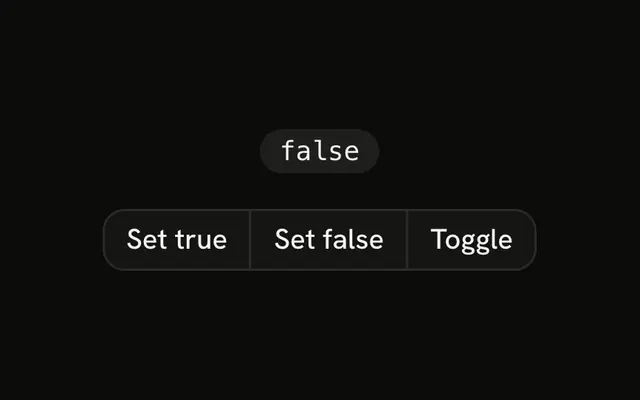
- useCopyToClipboardPage & browser

- useDarkModePage & browser

- useDebounceValueTiming

- useIntervalTiming
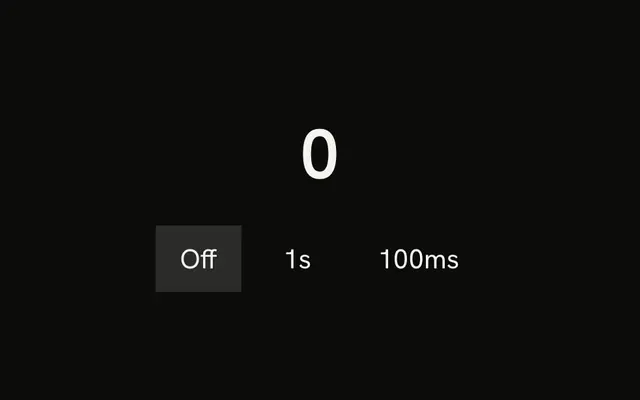
- useLocalStorageStorage

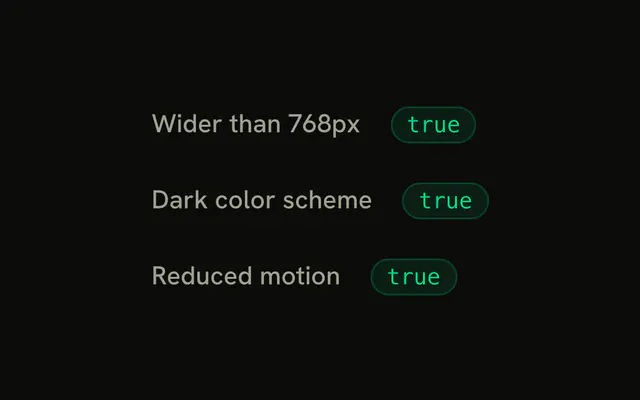
- useMediaQueryScreen & layout
- useOnClickOutsideEvents

- useClickAnyWhereEvents
- useCountdownTiming
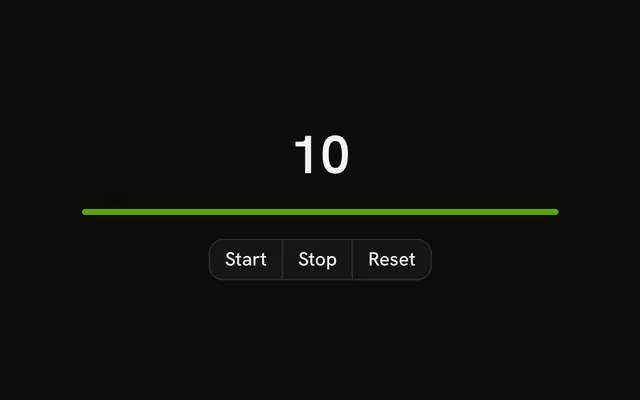
- useCounterState
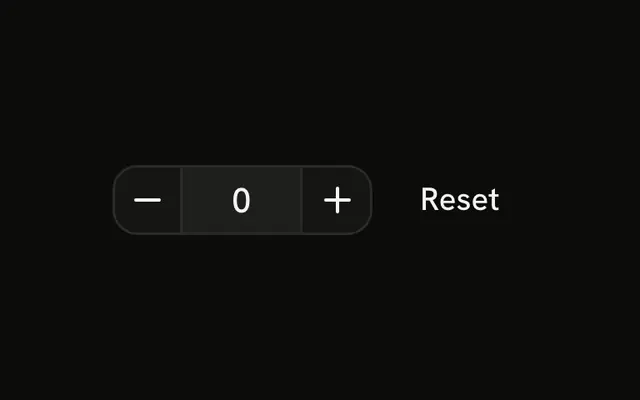
- useDebounceCallbackTiming
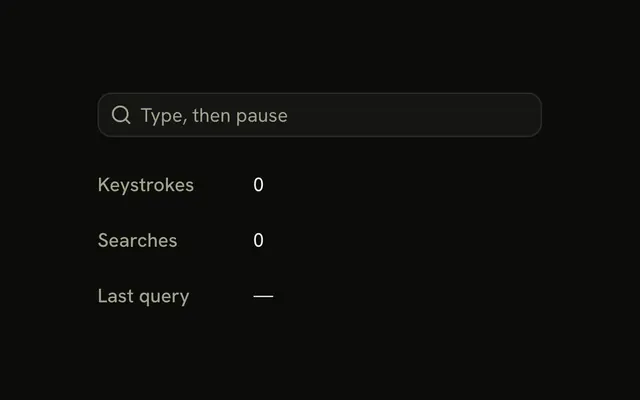
- useDocumentTitlePage & browser
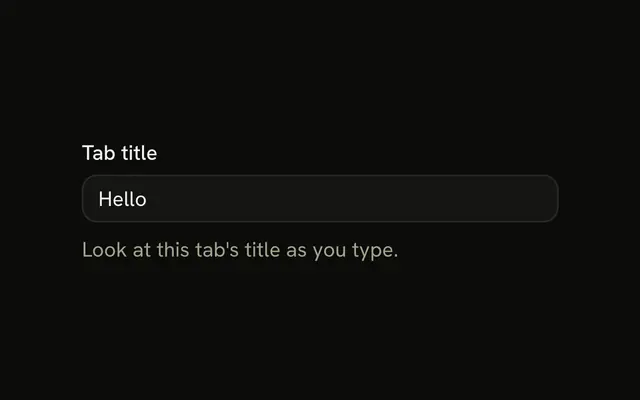
- useEventCallbackEvents
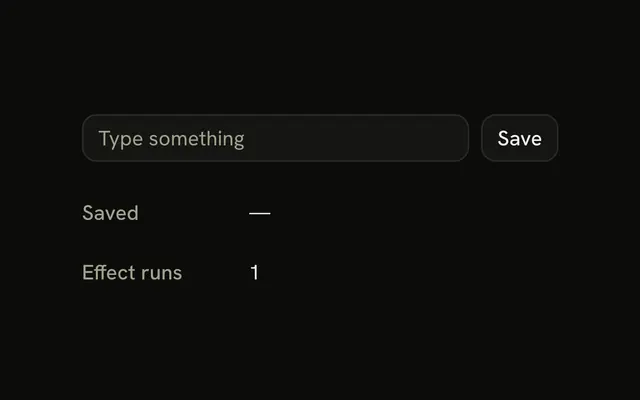
- useEventListenerEvents
- useHoverEvents
Or skip the search. With Pro, your AI agent picks the hook for the behaviour you describe and installs it.
Get ProPricing
Every hook, one prompt away, with Pro
Your AI agent installs any of the 35 hooks, and every component, example and icon, with every Pro plan.
4.9/5 out of 5 · 150+ reviewsfrom 150+ founders and developers.
- Secure checkout via Stripe
- Code lives in your repo
- Keep what you've shipped if you cancel
- License terms
FAQ
Frequently asked questions
What developers ask before adding a React hook to a project.
35 React hooks in 7 groups: State (5), Timing (5), Storage (3), Events (6), Screen & layout (6), Page & browser (6) and Lifecycle (4). Each is one typed file you own, with live demos and its API on its page.
Most projects start with useBoolean, useCopyToClipboard, useDarkMode, useDebounceValue, useInterval, useLocalStorage, useMediaQuery and useOnClickOutside. The catalog lists them first, before the rest by name.
No. Installing copies the hook's file into your hooks folder and it is yours to edit, so there is no hooks package to keep updated. Only useDebounceCallback and useDebounceValue use lodash.debounce, which the install adds.
No. The hook pages are React only. The Vue, Svelte and Solid component catalogs are built on Ark UI and have no hook pages.
Call `const [value, setValue] = useDebounceValue("", 500)`, call setValue on every keystroke and read value, which updates 500 milliseconds after the last change. To debounce a function instead, `useDebounceCallback` returns one with cancel, flush and isPending, and drops a waiting call on unmount.
Pass a ref, or an array of refs, and a handler to `useOnClickOutside`. The handler runs when a press or focus lands outside every one of them, which is what a popover or a menu needs to close itself.
`useCopyToClipboard` returns a copy function and an isCopied flag that is true for 2 seconds after a successful copy, so a button can say Copied for a moment.
`useDarkMode` returns isDarkMode with enable, disable, toggle and set. It saves the choice to localStorage, follows the system's prefers-color-scheme until the reader picks, and adds the dark class to the html element.
`useLocalStorage(key, initialValue)` returns the value, a setter and a remove function. It survives reloads and stays in step across components and tabs that use the same key.
Yes, in any React app. 8 of them read the browser (useDarkMode, useLocalStorage, useMediaQuery, useReadLocalStorage, useScreen, useSessionStorage, useTernaryDarkMode and useWindowSize), and each returns a safe value on the server and keeps it while the page hydrates, so the first client render matches the server's HTML with the default options. The browser's own value follows right after.
Not in a server component, because a hook uses state or effects. 35 of the 35 hook files start with "use client", so import them into a client component and call them there.
Nothing to add: with the default options the server and the browser's first render, while the page hydrates, both use your initial value, so the HTML matches, and the stored value follows right after. `initializeWithValue: false` only keeps the initial value on screen until the component has mounted.
Its `defaultValue` option, which is false when left out. In the browser it keeps that value while the page hydrates and checks the query from then on, so the markup always matches. `initializeWithValue` no longer changes anything.
useIsClient is false on the server and while hydrating, and true in every other browser render. useIsomorphicLayoutEffect runs useLayoutEffect in the browser and useEffect on the server, where a layout effect can't run and React 18 warned about one.
Yes. Every hook is a TypeScript file with TSDoc on its parameters, options and return value, which is what its API section lists.
Yes. useLocalStorage<T> returns the value as T with a setter like useState's, useDebounceValue<T> follows the type of the value you pass, and useOnClickOutside<T extends Element> types its ref and handler.
24 of the 35 hooks export their option and return types, such as UseLocalStorageOptions, so you can import them to type your own wrappers.
Signed in, copy the command on the hook's page: `npx shadcn@latest add` with the hook's name, such as @shadcnio/use-debounce-value. It adds the file under hooks in your project.
Import it from the hooks folder with your alias, as in `import { useIsMobile } from "@/hooks/use-is-mobile"`. Each hook's page shows its import line.
Only useDebounceCallback and useDebounceValue: they need lodash.debounce, and the install adds it. Every other hook imports React alone, so there is nothing else to add.
With Pro, the MCP server (22 tools, setup guides for 38 clients) lists the hooks with the components: describe the behavior you need and your AI agent picks the hook and installs it.
Yes. Every one of the 35 hooks is free with an account, which is one tap with Google or GitHub. No hook is Pro.
No. Browsing and trying every demo needs nothing. Seeing, copying or installing the code takes a free account.
Pro adds every block, the premium templates and the MCP server, plus the Pro items of the animated collections. The hooks, the components and the examples stay free.
4.9 out of 5 from 150+ developers


Every hook. One prompt away.
35 hooks, free with an account. With Pro, your AI agent installs them from a prompt.
Get Pro