Primitives
Radix NG Primitives is an Angular port of Radix UI Primitives built with TypeScript (82.6%), MDX, CSS, and Astro, providing a low-level, headless UI component library focused on accessibility, customization, and developer experience for Angular applications.

- Author
 Radix ng
- Updated
- Live demo
- radix-ng.com (opens in a new tab)
Live preview
Live Preview
Interact with the actual deployed template — every section, every interaction, no mockups.
radix-ng.com
Open in a new tab (opens in a new tab)Loading preview…
About
About Radix NG Primitives
This comprehensive toolkit offers unstyled, functional primitives including Accordion, Avatar, Checkbox, Dialog, and many others based partially on @angular/cdk, supporting incrementally adoptable components that can serve as the base layer of design systems or be adopted gradually into existing projects. As an unofficial but API-compatible port maintaining the original Radix UI principles, the library brings the proven accessibility patterns and headless component architecture popularized in the React ecosystem to Angular developers who previously lacked equivalent tooling.
Perfect for Angular teams building accessible design systems, enterprises requiring WCAG-compliant interfaces, developers transitioning from React familiar with Radix patterns, or any Angular application where accessibility compliance, customization freedom, and high-quality component foundations are non-negotiable requirements. With strong community engagement through Discord and GitHub Discussions, Radix NG Primitives demonstrates how successful component architectures can transcend specific frameworks, enabling the Angular ecosystem to benefit from the accessibility research, usability testing, and developer experience refinements that made Radix UI valuable in React while adapting patterns to Angular's different component model, dependency injection, and change detection systems, ultimately improving accessibility standards across the entire web development landscape.
Get started
Free, open source, and ready to ship.
Clone the repo, install dependencies, and start customising. Radix NG Primitives is free and open source: its license is in the repository.
- Clone the Radix NG Primitives repository from GitHub.
- Run
npm installorpnpm installto install all required packages. - Run
npm run devto start the development server and begin customizing. - Check the repository’s README and license before you ship.
Terminal
$ git clone https://github.com/radix-ng/primitives
$ cd primitives
$ npm install
$ npm run dev
Included in Pro
More Templates
Hand-built premium templates from shadcn.io — production-ready and bundled in Pro.
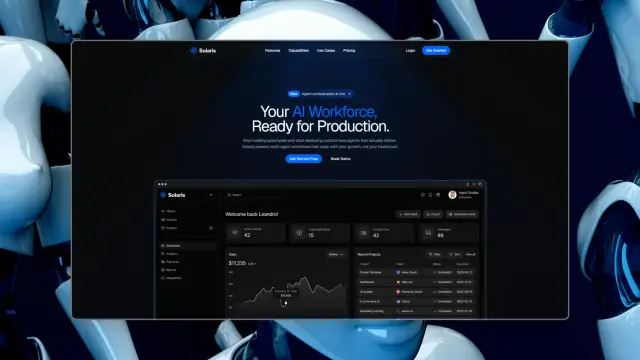
- Solarisshadcn.io/demos/solaris
 Pro
- Reframe Labsshadcn.io/demos/reframe
 Pro
- Spheruleshadcn.io/demos/spherule
 Pro
- Maxshadcn.io/demos/max
 Pro
- Zel Designsshadcn.io/demos/zel
 Pro
- Areteshadcn.io/demos/arete
 Pro
- Lightboxshadcn.io/demos/lightbox
 Pro
- Chatlyshadcn.io/demos/chatly
 Pro
Every template, every block. One Pro plan unlocks all 14, with 6,000+ blocks and MCP for your AI editor.
Get ProMore like this
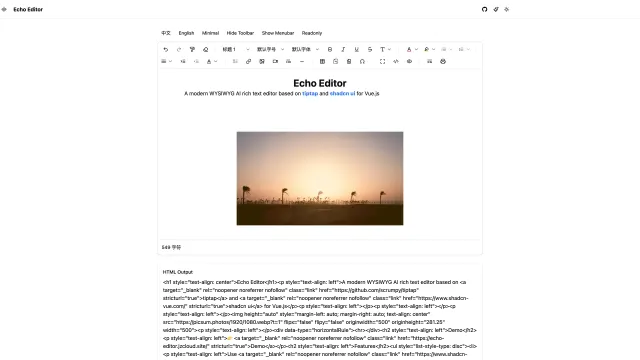
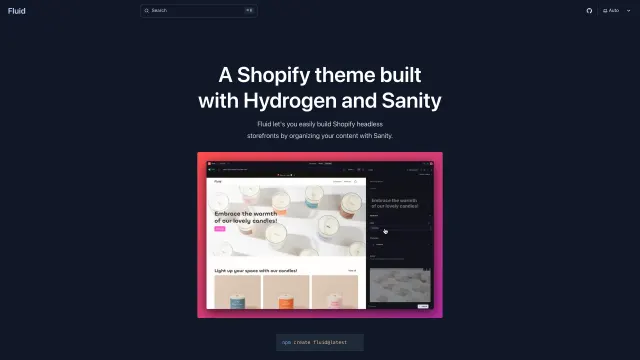
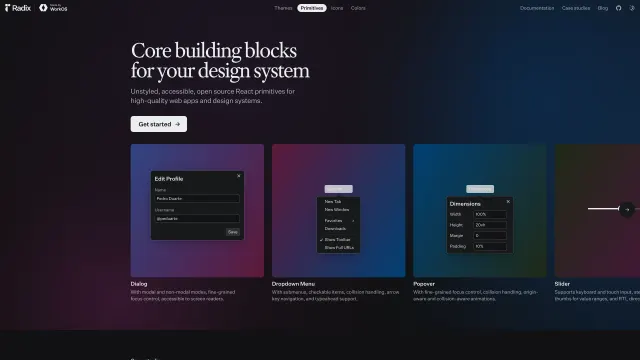
More Vite templates
Open source Vite templates like Radix NG Primitives, those with the most in common first.



Pricing
Every premium template, with Pro
All 14 premium templates come with every Pro plan, with 6,000+ blocks and the MCP server. Pick the seats you need.
4.9/5 out of 5 · 150+ reviewsfrom 150+ founders and developers.
- Secure checkout via Stripe
- Code lives in your repo
- Keep what you've shipped if you cancel
- License terms
FAQ
Frequently asked questions
Everything you need to know before you ship with Radix NG Primitives.
Radix NG Primitives is an Angular port of Radix UI Primitives built with TypeScript (82.6%), MDX, CSS, and Astro, providing a low-level, headless UI component library focused on accessibility, customization, and developer experience for Angular applications. It is an open source template in the shadcn.io collection of 215.
Radix NG Primitives is made by Radix ng, an independent developer; shadcn.io lists it but did not make it. Radix ng has 1 template in the collection, and the author's page lists them.
The listing tags Radix NG Primitives with Angular, Express, Vite, Tailwind and Radix UI. Those are its categories, not a dependency list: the exact packages and versions are in the repository's package.json.
Yes. The Radix NG Primitives page embeds its live demo from radix-ng.com, and links to it so you can open the real deployment before you clone.
The Radix NG Primitives listing was last updated on October 8, 2025. That date is the listing's, not the repository's: check the repository's commits for recent activity.
Clone the repository (git clone https://github.com/radix-ng/primitives), then follow the README. The Radix NG Primitives page shows the usual steps and a terminal block with the commands to copy.
Install dependencies with npm install or pnpm install, then run npm run dev. The README in the Radix NG Primitives repository says which package manager and environment variables it needs.
No. Radix NG Primitives is cloned from its own GitHub repository, so shadcn.io isn't involved. Browsing the page and its live demo need no account either; Pro adds the premium templates, the blocks and the MCP server.
Follow the deployment notes in the Radix NG Primitives README: the right host depends on its framework and any services it needs. The page's categories show what it is built for.
The Radix NG Primitives listing doesn't record a license. Check the LICENSE file in its repository (https://github.com/radix-ng/primitives), and ask the author if there isn't one.
That depends on Radix NG Primitives's license in its repository, which shadcn.io does not set. Read the LICENSE file before you use it in a client or paid project, and ask the author if it is unclear.
Attribution follows Radix NG Primitives's license. Many permissive licenses ask you to keep the copyright notice and license text in your copy; its LICENSE file says exactly what.
No. The Pro license covers shadcn.io's own Pro code, blocks and premium templates. Radix NG Primitives is the author's project, under the terms in its repository.
Radix ng supports Radix NG Primitives, through its GitHub repository: read the docs, open an issue or look for discussions. shadcn.io does not maintain it.
Yes. Once you clone it, Radix NG Primitives is your own code: change the theme, add pages and connect your backend. It uses shadcn/ui, so you can also add more components the same way.
Yes. Components are free with a free account and the blocks are in Pro; both are copied into your project with the shadcn CLI. Check that Radix NG Primitives uses Tailwind CSS and the shadcn/ui setup (a components.json) before you add them, and pick the base library your project already uses.
Yes, with Pro. The shadcn.io MCP server's search_templates tool finds templates by what they are, and returns each one's repository and live demo, so your editor can set up Radix NG Primitives for you. Your files stay on your machine.
The collection has 19 other open source Vite templates like Radix NG Primitives, shown at the foot of its page with the ones sharing most categories first. All of them are at /template/category/vite.
Radix ng has no other templates in the collection.
Yes. The 14 premium templates (Solaris, Reframe Labs, Spherule and Max and more) are built by shadcn.io and come with every Pro plan, if you want maintained code with a design file.
4.9 out of 5 from 150+ developers


Ship your next site this weekend
14 premium templates, 6,000+ blocks and MCP in every Pro plan. Radix NG Primitives and the other 214 open source templates stay free.
Get Pro