Epigram
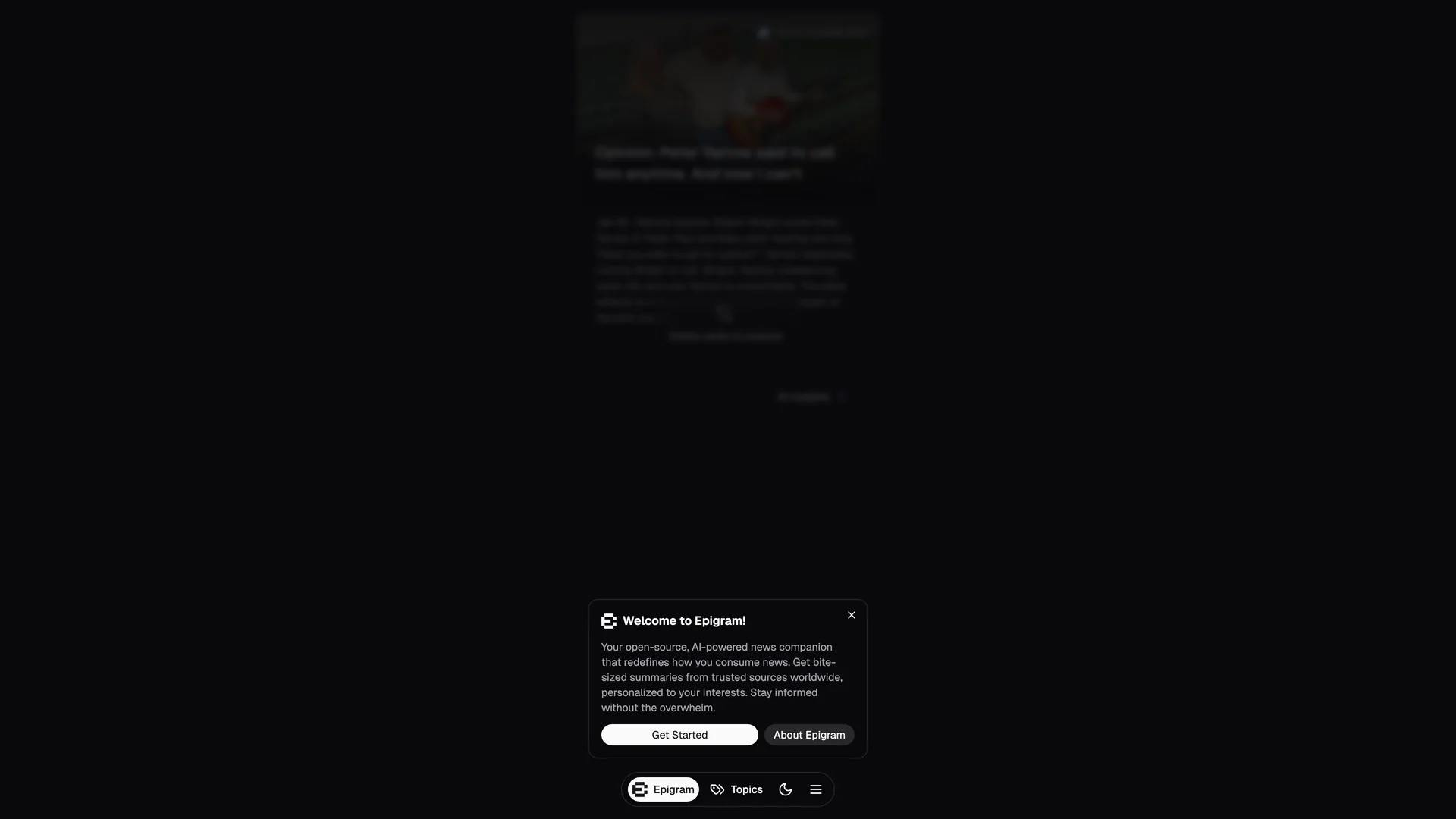
Epigram is an open-source, AI-powered news summarization platform that uses AI to make quality news easy to access, understand, and personalize by delivering concise summaries from trusted global sources.
- Author
 Panda sandeep
- Updated
- Live demo
- epigram.news (opens in a new tab)
Live preview
Live Preview
Interact with the actual deployed template — every section, every interaction, no mockups.
epigram.news
Open in a new tab (opens in a new tab)Loading preview…
About
About Epigram
Built with Next.js, React, Tailwind CSS, shadcn/ui components, OpenAI's GPT-4o-mini for intelligent summarization, Mediastack API for news data aggregation, and Upstash Redis for caching and rate limiting, this platform solves the problem of information overload by providing quick, clear summaries tailored to individual user preferences. The application features a personalized news feed that adapts to user interests and reading habits, AI-generated concise summaries that distill articles to their essential points, access to trusted global news sources ensuring credible information, in-depth AI article analysis for deeper understanding of complex topics, a responsive, user-friendly interface that works seamlessly across all devices, and intelligent caching with Upstash Redis for fast load times and rate limiting. Deployed on Google Cloud Run with support for Vercel, Netlify, and AWS Amplify, Epigram uses the Exa API for AI-powered news summarization and recommends periodic news data refresh via cron jobs to keep content current.
The platform is designed for busy professionals who want to stay informed without spending hours reading, students and researchers needing quick overviews of current events, anyone overwhelmed by the volume of daily news across multiple sources, readers who prefer personalized content over generic news feeds, and people seeking credible, summarized information from reliable sources. This project demonstrates how to build intelligent content aggregation platforms, implement AI-powered text summarization at scale, integrate multiple APIs for data enrichment, design personalized recommendation systems, and optimize performance with Redis caching. Epigram makes staying informed effortless by cutting through the noise and delivering what matters most to each user.
Get started
Free, open source, and ready to ship.
Clone the repo, install dependencies, and start customising. Epigram is free and open source: its license is in the repository.
- Clone the Epigram repository from GitHub.
- Run
npm installorpnpm installto install all required packages. - Run
npm run devto start the development server and begin customizing. - Check the repository’s README and license before you ship.
Terminal
$ git clone https://github.com/panda-sandeep/epigram
$ cd epigram
$ npm install
$ npm run dev
Included in Pro
More Templates
Hand-built premium templates from shadcn.io — production-ready and bundled in Pro.
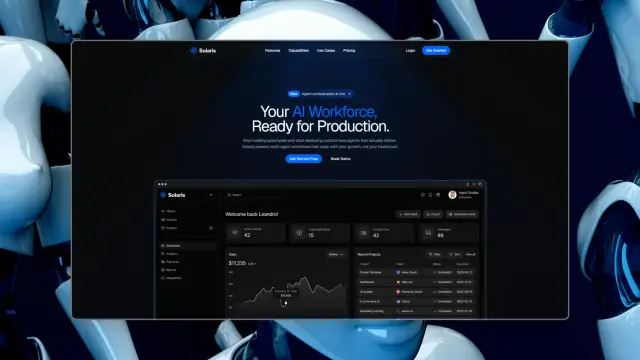
- Solarisshadcn.io/demos/solaris
 Pro
- Reframe Labsshadcn.io/demos/reframe
 Pro
- Spheruleshadcn.io/demos/spherule
 Pro
- Maxshadcn.io/demos/max
 Pro
- Zel Designsshadcn.io/demos/zel
 Pro
- Areteshadcn.io/demos/arete
 Pro
- Lightboxshadcn.io/demos/lightbox
 Pro
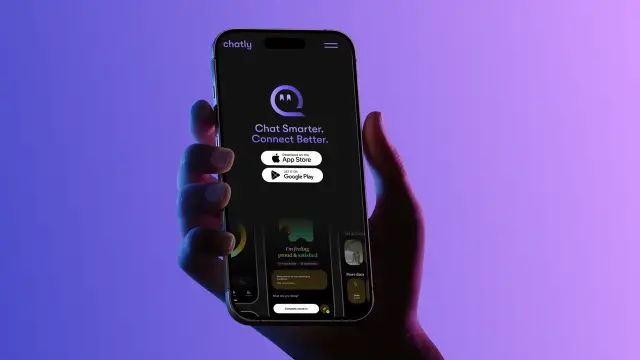
- Chatlyshadcn.io/demos/chatly
 Pro
Every template, every block. One Pro plan unlocks all 14, with 6,000+ blocks and MCP for your AI editor.
Get ProMore like this
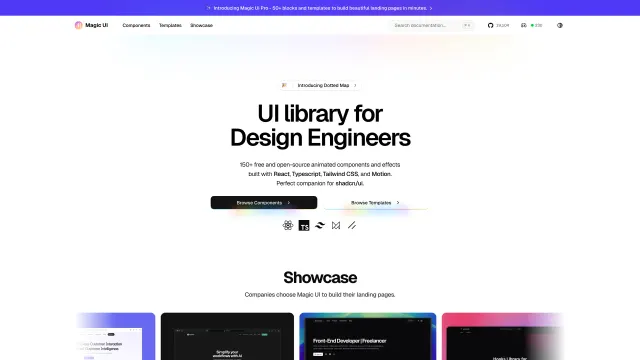
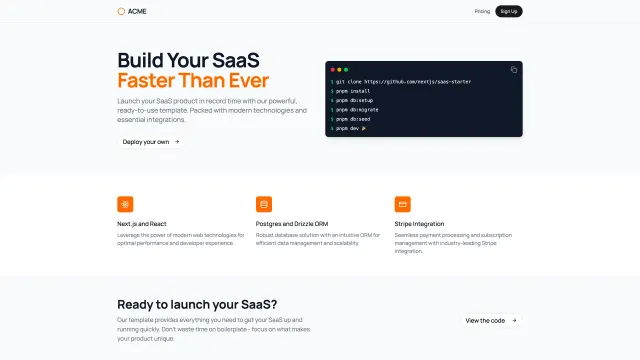
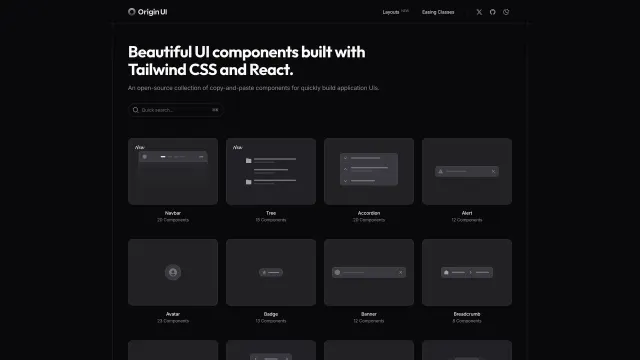
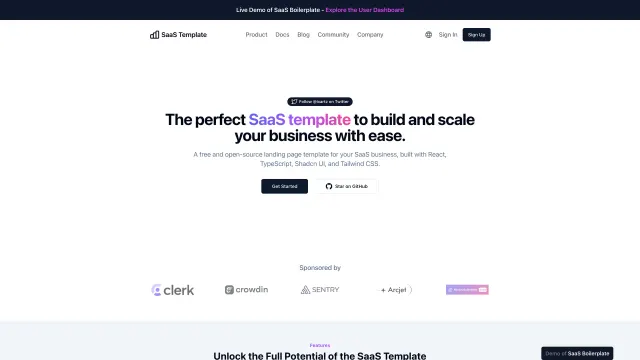
More Next.js templates
Open source Next.js templates like Epigram, those with the most in common first.
Pricing
Every premium template, with Pro
All 14 premium templates come with every Pro plan, with 6,000+ blocks and the MCP server. Pick the seats you need.
4.9/5 out of 5 · 150+ reviewsfrom 150+ founders and developers.
- Secure checkout via Stripe
- Code lives in your repo
- Keep what you've shipped if you cancel
- License terms
FAQ
Frequently asked questions
Everything you need to know before you ship with Epigram.
Epigram is an open-source, AI-powered news summarization platform that uses AI to make quality news easy to access, understand, and personalize by delivering concise summaries from trusted global sources. It is an open source template in the shadcn.io collection of 215.
Epigram is made by Panda sandeep, an independent developer; shadcn.io lists it but did not make it. Panda sandeep has 1 template in the collection, and the author's page lists them.
The listing tags Epigram with Next.js, React and Tailwind. Those are its categories, not a dependency list: the exact packages and versions are in the repository's package.json.
Yes. The Epigram page embeds its live demo from epigram.news, and links to it so you can open the real deployment before you clone.
The Epigram listing was last updated on October 8, 2025. That date is the listing's, not the repository's: check the repository's commits for recent activity.
Clone the repository (git clone https://github.com/panda-sandeep/epigram), then follow the README. The Epigram page shows the usual steps and a terminal block with the commands to copy.
Install dependencies with npm install or pnpm install, then run npm run dev. The README in the Epigram repository says which package manager and environment variables it needs.
No. Epigram is cloned from its own GitHub repository, so shadcn.io isn't involved. Browsing the page and its live demo need no account either; Pro adds the premium templates, the blocks and the MCP server.
Epigram is tagged Next.js, so it deploys wherever a Next.js app does, such as Vercel, a Node.js server or a container. Its README may add steps for its own services.
The Epigram listing doesn't record a license. Check the LICENSE file in its repository (https://github.com/panda-sandeep/epigram), and ask the author if there isn't one.
That depends on Epigram's license in its repository, which shadcn.io does not set. Read the LICENSE file before you use it in a client or paid project, and ask the author if it is unclear.
Attribution follows Epigram's license. Many permissive licenses ask you to keep the copyright notice and license text in your copy; its LICENSE file says exactly what.
No. The Pro license covers shadcn.io's own Pro code, blocks and premium templates. Epigram is the author's project, under the terms in its repository.
Panda sandeep supports Epigram, through its GitHub repository: read the docs, open an issue or look for discussions. shadcn.io does not maintain it.
Yes. Once you clone it, Epigram is your own code: change the theme, add pages and connect your backend. It uses shadcn/ui, so you can also add more components the same way.
Yes. Components are free with a free account and the blocks are in Pro; both are copied into your project with the shadcn CLI. Check that Epigram uses Tailwind CSS and the shadcn/ui setup (a components.json) before you add them, and pick the base library your project already uses.
Yes, with Pro. The shadcn.io MCP server's search_templates tool finds templates by what they are, and returns each one's repository and live demo, so your editor can set up Epigram for you. Your files stay on your machine.
The collection has 151 other open source Next.js templates like Epigram, shown at the foot of its page with the ones sharing most categories first. All of them are at /template/category/nextjs.
Panda sandeep has no other templates in the collection.
Yes. The 14 premium templates (Solaris, Reframe Labs, Spherule and Max and more) are built by shadcn.io and come with every Pro plan, if you want maintained code with a design file.
4.9 out of 5 from 150+ developers


Ship your next site this weekend
14 premium templates, 6,000+ blocks and MCP in every Pro plan. Epigram and the other 214 open source templates stay free.
Get Pro